
Why choose BESS
BESS serves as the critical bridge in modern power systems. It stabilizes the grid by managing the intermittency of renewables while optimizing the efficiency and ramping capabilities of conventional generation assets.
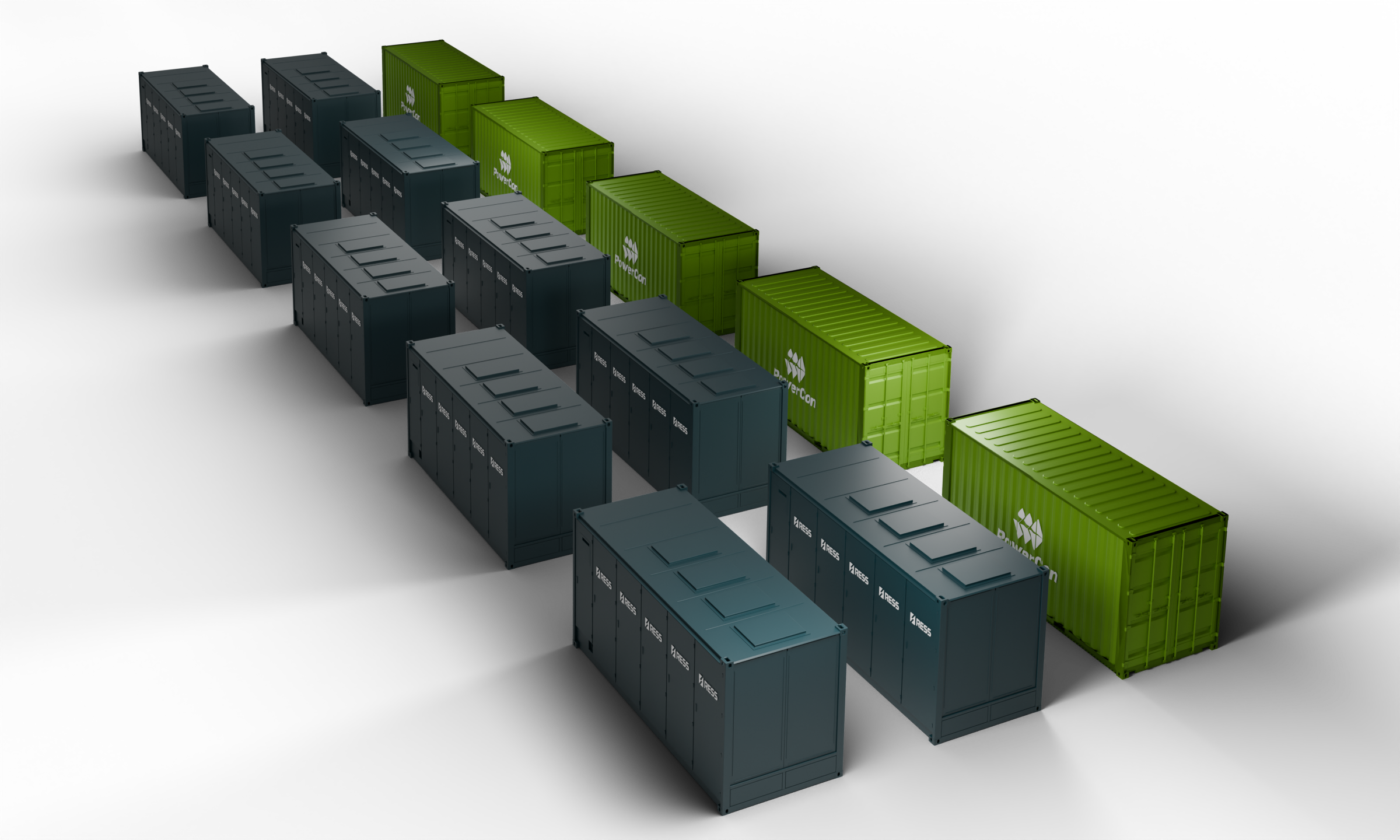
Here are some of the key advantages of BESS
-
Maximizing Renewables
Energy storage solves the challenge of renewable intermittency. By storing excess wind and solar power that would otherwise be curtailed, BESS transforms variable generation into dispatchable clean energy, significantly reducing grid carbon intensity.
-
Optimized Economic Performance
BESS maximizes project economics through automated energy arbitrage. By capitalizing on price spreads and shifting load profiles to low-cost periods, the system effectively lowers the Levelized Cost of Energy (LCOE) and mitigates exposure to peak grid tariffs.
-
Enhanced Grid Resilience
BESS acts as a critical shield against grid instability. By providing instant backup power and smoothing peak demand, the system safeguards operations against outages and blackouts, ensuring continuous uptime for critical infrastructure. -
Operational Cost Reduction
BESS delivers substantial reductions in operational expenditure (OPEX). Through strategic peak shaving, the system allows facilities to avoid costly grid power during peak-rate windows, significantly lowering demand charges and optimizing total energy spend.
-
Ancillary Services & Grid Balancing
BESS delivers critical ancillary services essential for modern grid stability. Capable of responding in milliseconds, the system instantly injects or absorbs power to counter frequency deviations. This sub-second reaction speed makes BESS far superior to slow-ramping thermal power plants.
Battery Modules & Racks
The core storage medium. Electrical energy is converted into chemical energy within a hierarchical structure of cells, modules, and racks. Designed for scalability, these units store DC power efficiently to be dispatched upon demand.
Core System Components
Battery Management System (BMS)
The critical safety and monitoring layer. The BMS continuously oversees cell voltage, current, and temperature to ensure operation within safe limits. By calculating State of Charge (SoC) and State of Health (SoH), it protects the asset and maximizes the battery’s cycle life.
Power Conversion System (PCS)
The bi-directional grid interface. The PCS converts Alternating Current (AC) from the grid into Direct Current (DC) for storage, and vice versa. It ensures precise synchronization with the grid frequency and voltage, enabling rapid charging and discharging essential for ancillary services.
Energy Management System (EMS)
The central intelligence unit. The EMS orchestrates the entire operation, executing dispatch strategies based on market signals or grid requirements. It optimizes the interaction between the BMS and PCS to ensure maximum system efficiency and revenue generation.
Safety & Thermal Management
Essential balance-of-plant systems. This includes precision HVAC units to maintain the battery cells within optimal thermal operating ranges, alongside advanced Fire Detection and Suppression systems to guarantee asset safety and operational integrity.